A Love Affair with Stories: Literature, Film, and Legacy
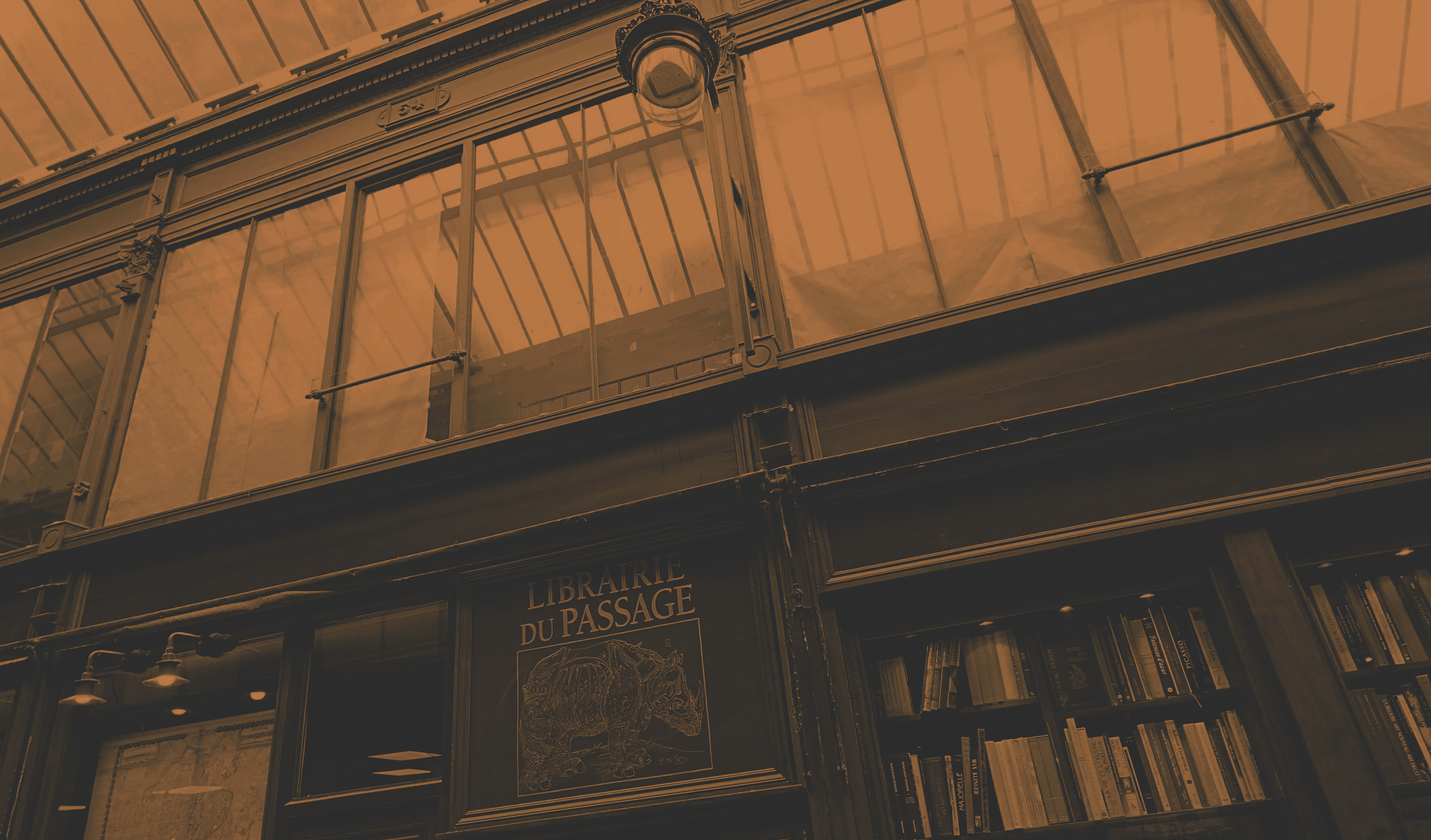
One of my favorite bookstores in Paris.
Captured by Along the Riviera
Where do I begin?
Story has always been there—quietly shaping, quietly guiding, long before I understood what it would become.
Perhaps with the understanding that story has always been there—quietly shaping, quietly guiding, long before I realized what it would become. The power of story begins on the page, in literature, where imagination is first given form. And then, somehow, it expands—expressed even more freely through film, where those same words are carried into light, movement, and voice.
I have been an avid reader for as long as I can remember. Books were not simply something I read—they were something I lived inside.
That love began early, and not by accident. My mother, with a kind of gentle insistence, enrolled my sister and me in summer reading programs at the library, turning what could have felt like obligation into something joyful. My father, with his deep appreciation for history and biography, opened another world entirely—one filled with travel, time, and the lives of those who came before us. And my aunt, whose love of fiction was unwavering, introduced us to the quiet magic of novels—the kind that linger, the kind that stay. She also gave us something equally formative—her love of comics, especially the gentle brilliance of Charles M. Schulz. Through them, we learned early that storytelling could be simple, visual, and still profoundly meaningful.
From there, something grew.
An appreciation not only for reading, but for the transformation of story—how a novel becomes a film, how a character moves from page to screen and somehow becomes even more alive.
After all, so many of the films we hold dear begin this way.
I began to collect them—the stories behind the stories. Laura, written by Vera Caspary. The World of Suzie Wong, whose author’s personal letters I have come to treasure—words that offer a glimpse into the mind behind the work. The Thin Man, sharp and enduring.
I have also come to cherish something even more personal—letters from Jacqueline Susann, whose voice, wit, and presence extend far beyond the pages of her work. To hold those words, written in her own hand, is to feel a closeness to the story that cannot be replicated. In the same way, my admiration for James Baldwin has led me to treasure his personal papers—works that carry not only literary brilliance, but a depth of thought and humanity that continues to shape how I see the world.
And of course, the world of Ian Fleming and the unforgettable presence of James Bond—a character who moved effortlessly from page to screen, becoming something iconic in the process.
These stories did not remain confined to books. They expanded into film, into performance, into something lasting.
That love of classic cinema became something more—a shared language between my sister and me. It led us to create our podcast, Classics with Champagne and Caviar, where we celebrate the films that shaped us—now carried on Sirius XM.
Because these films are not just entertainment. They are atmosphere. They are identity.
I have always found myself drawn to the Golden Age of Hollywood—imagining what it might have been like to exist within it. To be dressed by Edith Head, Orry-Kelly, or Ann Lowe. To sit across from Paul Newman or Steve McQueen in a scene reminiscent of The Thomas Crown Affair. To move through a room with the effortless elegance of Cary Grant.
And then there is Bette Davis—whose presence on screen was so commanding, so deliberate, that even the smallest gesture became unforgettable. While her on-screen habits—particularly the way she held a cigarette—may have appeared glamorous, they are not something to emulate. What endures is not the gesture itself, but the control, the intention, and the power behind it.
This is the power of cinema. And it begins with the written word.
Consider the mastery of Alfred Hitchcock—how in films like Vertigo, Rear Window, and Psycho, tension is built not only through image, but through structure, through script, through story. Or the cultural force of Valley of the Dolls, brought to life on screen by Sharon Tate and Patty Duke—characters that remain vivid long after the final scene.
Or the brilliance of Billy Wilder, whose collaborations with Jack Lemmon and Walter Matthau created films that were at once sharp, humorous, and enduring.
These works stay with you.
Their words become part of your own. Their rhythm enters your thinking. Their presence shapes how you see the world, how you speak, how you imagine.
That is the true power of story.
It is not confined to a page or a screen. It becomes part of you.
Which is why I encourage you to return to it.
Fall in love with reading again. Allow yourself to be drawn into a book—not quickly, not passively, but fully. And then, watch what happens when that same story is translated to film. Notice what changes. Notice what remains.
There is something remarkable in that transformation.
It is early spring. Step outside. Let the air meet you gently. Sit somewhere quiet. Perhaps with a croissant, or a blueberry scone—my personal favorites. A glass of champagne, or perhaps limoncello. And with you, a book.
Let it take you somewhere.
Let it remind you of the power of story—how it begins, how it evolves, and how, if you allow it, it can carry you far beyond where you started.
Because the most meaningful stories do not end.
They stay with you.